How operators can turn eSIM opportunties into market share

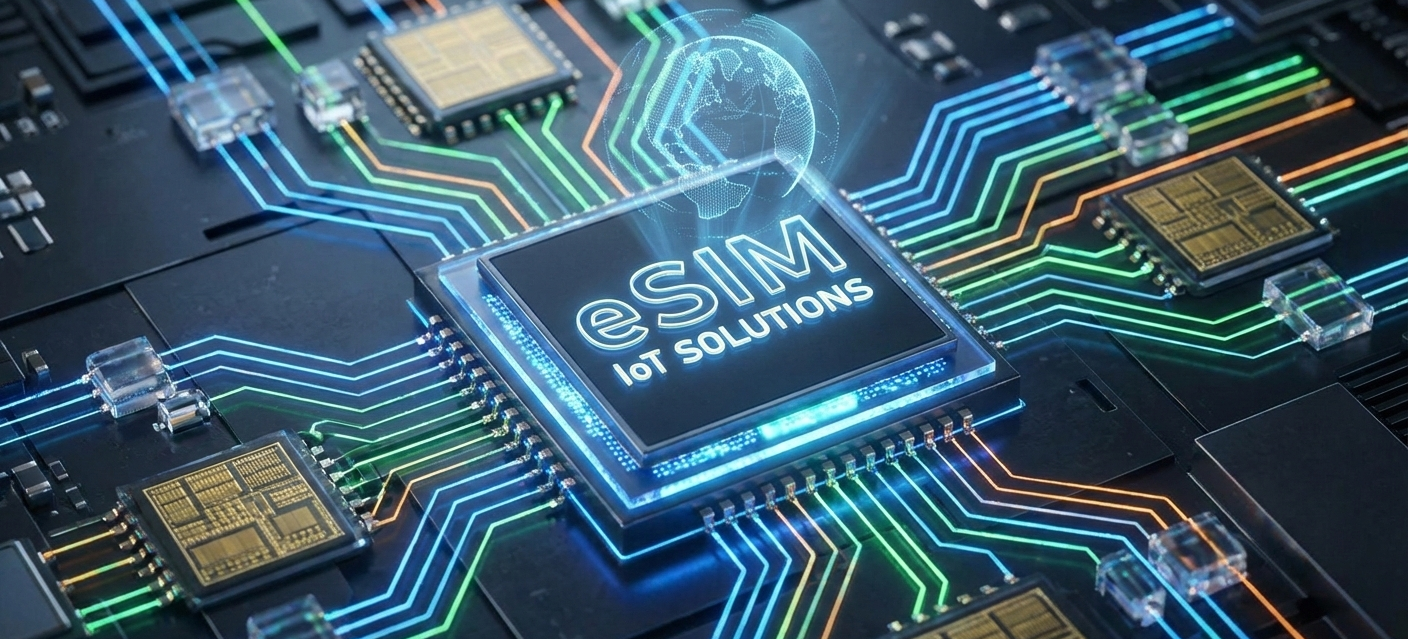
The time for waiting and seeing has passed. The eSIM market has grown and continues to grow in both the consumer and enterprise IoT segments.
In this post, we look at the current state of the eSIM market, as revealed by the 2024 eSIM Summit report delivered by Yolanda Sanz, eSIM Group Director, GSMA, and suggest ways mobile network operators can take advantage.
eSIM penetration in the consumer segment
eSIM has become mainstream in flagship smartphones, although eSIM support is more limited among non-flagship models. The number of eSIM consumer devices has also grown 10x in the last five years.
As of June 2024, GSMA says 271 new eSIM consumer devices (63% of which were eSIM smartphones) have been launched. This figure is more than six times the number of eSIM models launched by December 2019.
Additionally, eSIM service for smartphones is now available globally, with 123 countries having launched a commercial eSIM service for smartphones. More than 440 mobile network operators (MNOs), mobile virtual network operators (MVNOs), and providers of international roaming now offer eSIM services.
Are consumers aware of eSIM? An August 2024 consumer survey by GSMA revealed that one out of two consumers have heard of eSIM, with 5% of all consumers using eSIM for international travel. Additionally, more than half (54%) of those who do not use eSIM now are interested in it.
By 2030, GSMA predicts there will be 5.6-8 billion eSIM smartphone connections globally.
eSIM penetration in the enterprise/IoT segment
In the automotive industry, eSIM is the default or mainstream connectivity solution. Beyond connected vehicles, eSIM is being implemented in stand-alone projects rather than sector-wide deployments.
However, GSMA is optimistic about accelerated eSIM IoT adoption among enterprises given the following:
- The rollout of SGP.31 and SGP.32 eSIM IoT standards and technical specifications
- 5G Reduced Capability (RedCap), the leaner 5G standard that reduces complexity but serves and maintains sufficiently high data peak rates to serve IoT use cases
- Satellite-cellular integration
- A growing ecosystem of eSIM IoT devices, products, and solutions
- A growing number of private networks
- eSIM’s sustainability and an increasing preference for sustainable technologies
Opportunities for MNOs and MVNXs
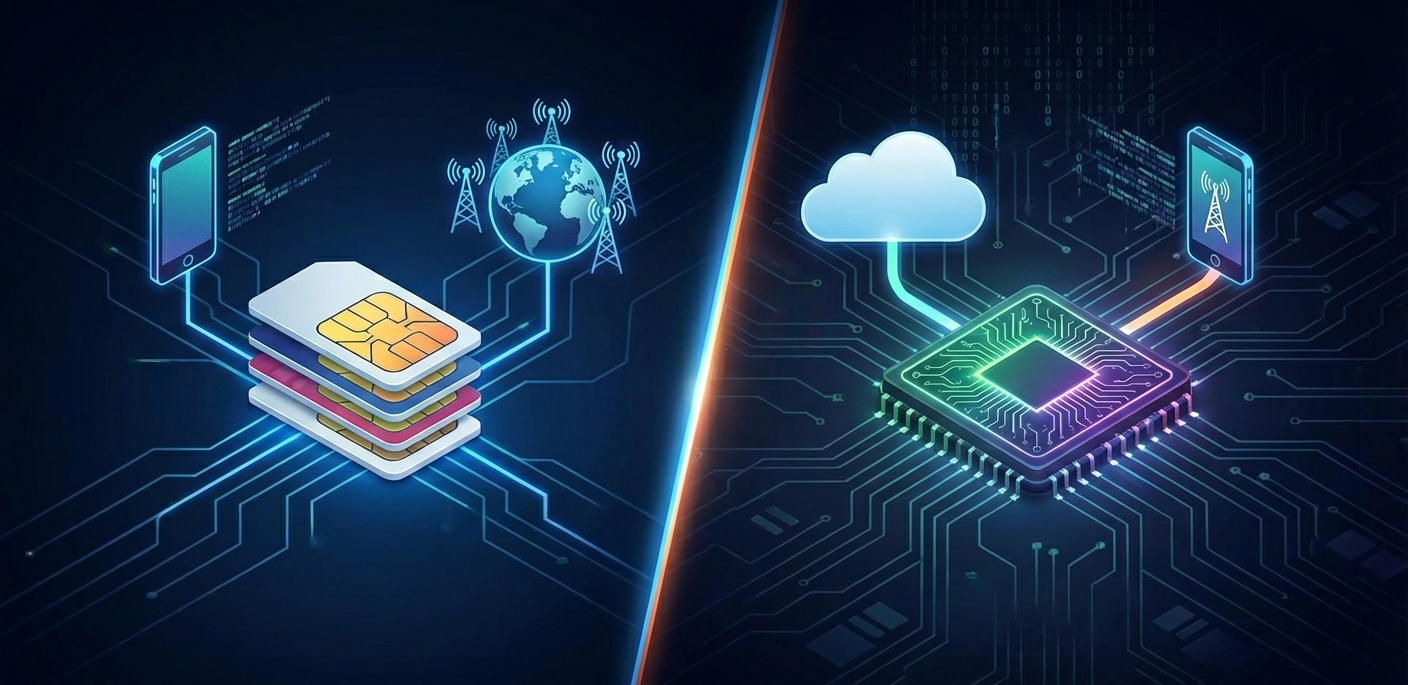
eSIM (as well as integrated SIM or iSIM) is expected to become mainstream in both the consumer and enterprise/IoT segments. As mentioned earlier, it’s not the time to doubt or wait. Now is the time to adopt—and adapt—for a future dominated by eSIM/iSIM (i.e., xSIM) connectivity.
What can MNOs, MVNOs, aggregators, and enablers do now to take advantage?
In the consumer market
MNOs and MVNXs can start campaigning for eSIM adoption in their markets. According to GSMA Intelligence data, only 8% of eSIM-aware consumers learned about eSIM through operator channels.
Given that 50% are aware of eSIM and more than half (54%) of those not currently using eSIM are interested in eSIM, MNOs and MVNXs can promote eSIM connectivity to their subscribers and target customers. This may accomplish two things:
- Increase general eSIM awareness
- Convert and capture a significant portion of eSIM-aware consumers
Why does it seem like MNOs are not actively promoting eSIM, even among their subscribers? According to the GSMA Intelligence eSIM Vendor Survey figures cited on Sanz eSIM Summit report, eSIM vendors believe this may be primarily because operators are not ready for fully digitised subscriber management and are concerned about churn.
However, the first objection is easy to address. For instance, MNOs can use the Workz eSIM cloud by Trasna to enable complete eSIM lifecycle management for enterprises, original equipment manufacturers, and institutional clients. This way, MNOs can provide enterprise clients with a ready, quick-to-implement and low-capital-expenditure IoT management and orchestration solution.
Additionally, evidence from the United States indicates that the launch of the eSIM-only iPhone in 2022 had no impact on mobile churn. This means MNOs can confidently promote eSIM in their markets without worrying that it will lose them customers.
Summary: eSIM will soon overtake the consumer market. Right now, MNOs have an opportunity to closely associate eSIM with their brand and capture a significant portion of eSIM consumers in their markets.
In the enterprise/IoT market
In the enterprise IoT market, enterprises may be slow to implement eSIM IoT because they may not have the expertise to implement an eSIM IoT infrastructure. They may also be waiting for further developments in eSIM IoT specifications.
MNOs have the opportunity to bridge the eSIM IoT knowledge and skill gaps for enterprises and original equipment manufacturers. They can provide advisory services. Better yet, they can offer turnkey solutions that enterprises and OEMs can seamlessly implement and integrate into their operations now to mobilise and deploy IoT systems as soon as possible, but with the assurance of forward compatibility.
For instance, MNOs can offer enterprise and OEM clients an IoT device management platform for IoT device lifecycle administration. MNOs can also combine eSIM IoT cloud with an IoT device manager to create a unified eSIM IoT device management solution.
MNOs can provide cloud-based turnkey solutions. They minimise integration issues and assure clients of forward compatibility or the ability to immediately take advantage of the latest eSIM IoT developments.
In other words, the opportunity for MNOs in the eSIM/IoT market lies in their ability to transition into providers of IoT solutions for enterprise clients. To accomplish this, they need to work with a global provider of SIM solutions like Trasna. If successful, MNOs get to bundle their connectivity services with indispensable IoT solutions.
Summary: eSIM IoT adoption will continue to grow. To take advantage of it, MNOs must endeavour to fill their enterprise clients’ skills and knowledge gaps in eSIM IoT. They may also work with an end-to-end eSIM IoT provider like Trasna to create white-label eSIM IoT solutions that simplify deployment and solve problems for enterprise clients.
Trasna has a full suite of eSIM consumer and eSIM IoT solutions you can tailor to your particular requirements, especially your subscribers and enterprise clients. Talk to a Trasna technical consultant now to learn how you can leverage Trasna’s technology and solutions to increase your eSIM connectivity market share.

Details
The landscape of smart cities, utilities, security systems, and device manufacturing is rapidly evolving.