Digitising the MNO supply chain: How operators can unlock growth with eSIM & remote provisioning
The COVID-19 pandemic caused significant disruption to worldwide supply chains.
A report by the United Nations Conference on Trade and Development (UNCTAD) indicates global trade declined by about $2.5 trillion in 2020. This represented a reduction of about 9% compared with 2019’s global trade levels. The downturn was not permanent, as global trade rebounded strongly in 2021, registering an increase of 13% compared to pre-pandemic levels.
Even so, the pandemic-induced cross-border restrictions exposed the vulnerabilities of global value chains, including those of mobile network operators (MNOs). The cross-border restrictions, in particular, worsened existing long-haul transportation problems in the SIM supply chain. The pandemic also introduced some new issues:
- SIM card manufacturing factories (predominantly based in India and China) had significantly reduced production or closed altogether.
- The printing and production of related collaterals, such as SIM card packaging, user guides, registration forms, etc., ceased, causing large headaches for most operators’ procurement teams.
- The pressures on commercial cargo transportation also increased, reporting a 26% drop in capacity and driving up prices by more than 60% in the instance of air freight.
- End-user fears about disease transmission and health risks depressed consumer demand, whilst retail stores closed and were slow to reopen.
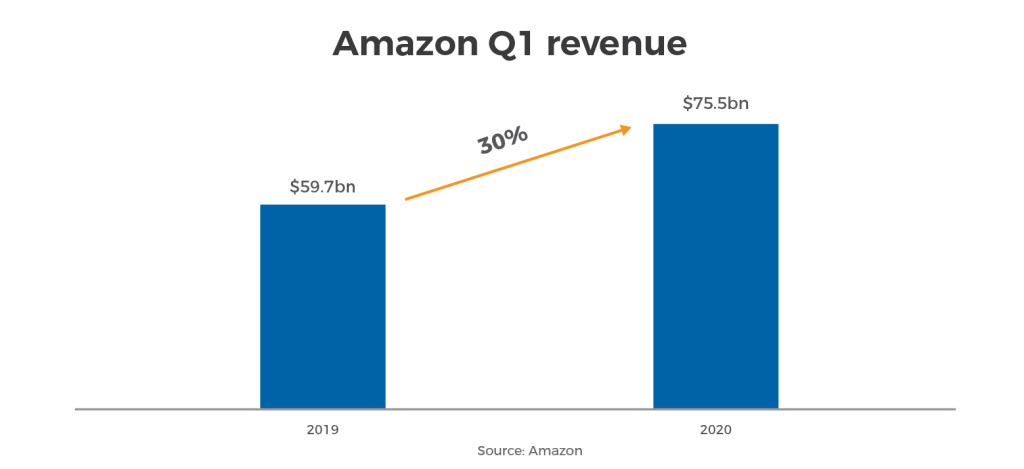
- Social distancing changed consumer behaviour. The need to avoid physical contact stifled store visits whilst online stores like Amazon grew exponentially, recording almost a 30% year-on-year increase in revenue in the first quarter of 2020.
COVID-19 was a hard lesson, but it was one worth learning. If anything, it compelled mobile network operators to seek alternatives that would leave them, if not impervious, at least less vulnerable to such similarly catastrophic disturbances to global supply chains.
The answer they found: digitising supply chains through embedded SIM and remote SIM provisioning.
Digitisation through eSIM and remote SIM provisioning: Beyond the pandemic
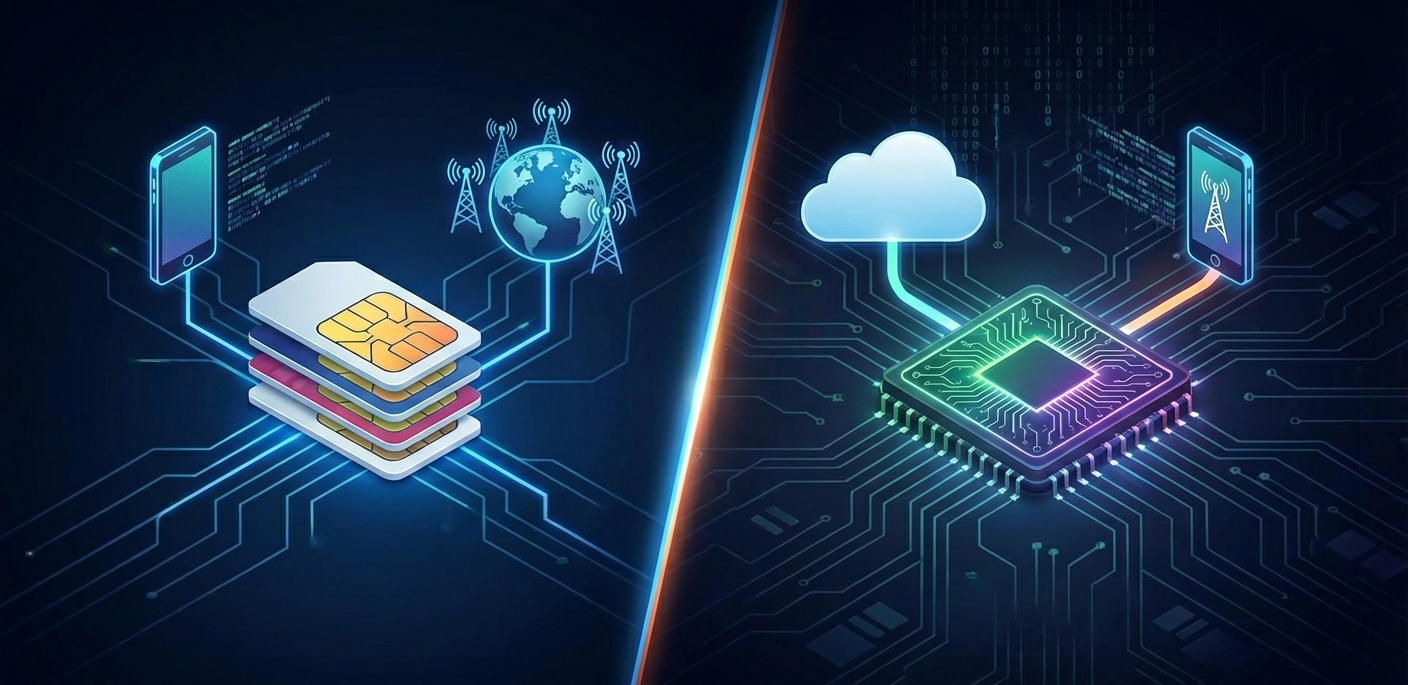
eSIM and remote SIM provisioning digitise subscriber acquisition, SIM activation, and profile management processes. They removed the need for physical SIM cards, printed collaterals, and the cross-border transportation and distribution of these cards and collaterals. Subscribers also no longer had to visit a retail store to buy SIM cards and activate their subscription.
Even without the immediate threat of a global epidemic, eSIM and remote SIM provisioning deliver significant supply chain benefits to MNOs. Remote eUICC SIM provisioning eliminates many of the issues associated with physical SIM card production and distribution. It also increases time-to-market speed and reduces costs, so new products can be brought to market quicker and for less.
1. Efficiency and cost savings
SIM card manufacturing, packaging, and logistics cost money, and these costs add up. Manufacturing errors, missed production deadlines, shipping mix-ups, and lost packages also mean delays and process inefficiencies.
With eSIM and remote SIM provisioning, MNOs do not need physical SIM cards from halfway across the world, so they are no longer at the mercy of shipping schedules. They also do not need to distribute SIM cards and collateral to retail stores. Consequently, MNOs save on manufacturing, shipping, and distribution costs.
They can also be more efficient. Since they can reduce their dependency on global supply chains, they can eliminate manufacturing and logistics bottlenecks.
2. Shorter time-to-market
When introducing new services, MNOs using the physical SIM form factor must consider manufacturing and logistics dependencies when setting commencement dates. In contrast, MNOs can launch eSIM-enabled services quickly, as they can configure everything on the eSIM cloud platform and remotely provision subscribers’ devices.
3. Superior customer experience
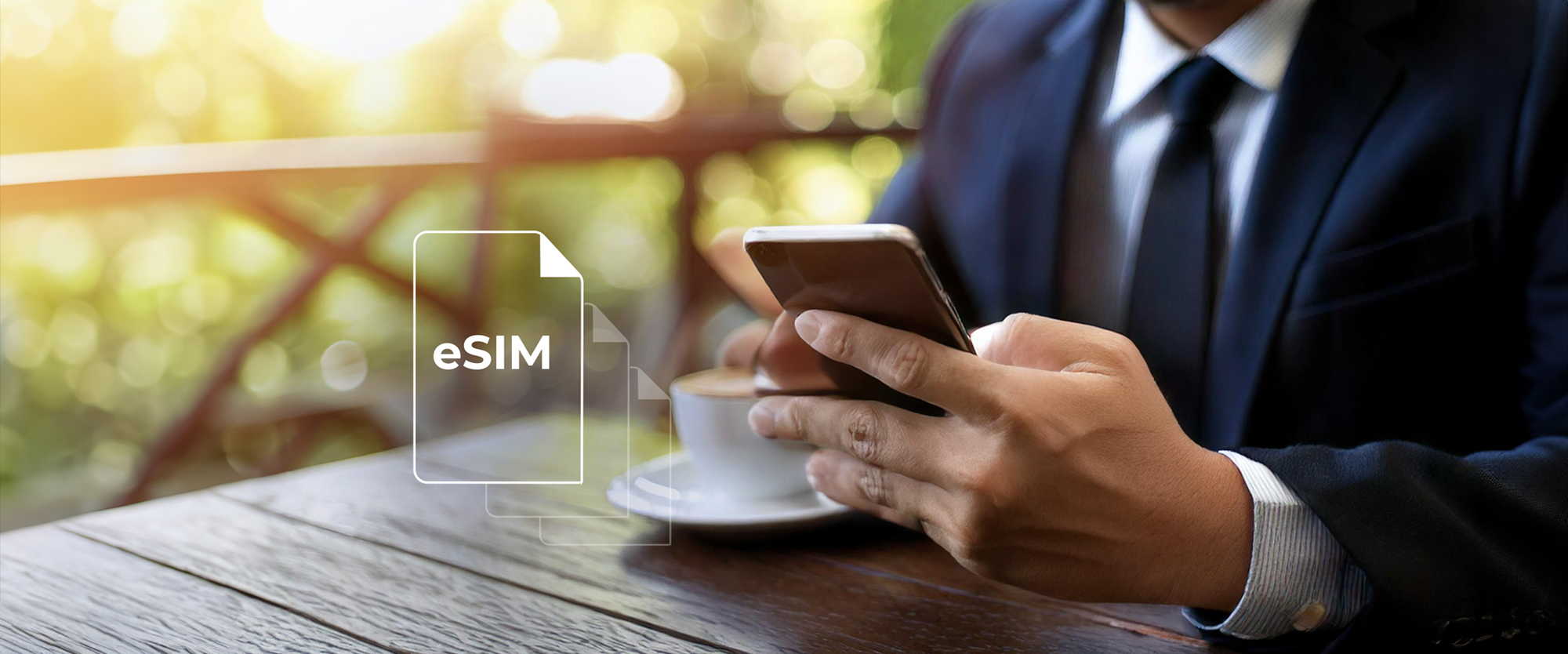
With eSIM, subscribers don’t need to buy a physical SIM card or visit a retail store. They can do everything online. Activating and managing subscriptions are also seamless, especially for subscribers of MNOs using the Trasna eSIM activation service, which makes activating a profile as simple as scanning a QR code.
Since eSIMs can store multiple profiles, moreover, eSIM lets subscribers get plans and download SIM profiles before they’re needed. Someone traveling overseas can purchase a data plan from an MNO in their destination country, download the requisite SIM profile before their flight, and then simply activate that profile when they land.
Sustainability
SIM cards are plastic, and they are sold and delivered in a combination of paper and plastic packaging. It is estimated that the 4.5 billion SIM cards issued and shipped each year account for approximately:
- 18,000 tons of plastic waste per year
- 560,000 tons of carbon dioxide emissions per year
Shifting to eSIM and remote SIM provisioning is one way MNOs can achieve their environmental and sustainability goals. eSIM chips do not come in single-use disposable plastic cards and paper packaging, as they are soldered directly onto a device’s motherboard; thus, they reduce MNOs’ waste production. Since eSIMs do not need to be shipped from overseas factories to MNOs’ warehouses and retail outlets, they also lead to a reduction in MNOs’ carbon dioxide emissions.
Beyond consumers: Enterprise & IoT opportunities
Beyond digitising MNOs’ supply chains, eSIM and remote SIM provisioning can enable MNOs to position themselves as a major connectivity, infrastructure, and technology partner in Internet of Things (IoT) projects of enterprises and smart cities. This represents a considerable opportunity considering the growth trajectory of the IoT market.
- A GSMA Intelligence report predicts that global IoT revenues will double between 2024 and 2030, growing to $2 trillion from $1 trillion during the forecast period.
- Juniper Research projects that operators will register a global cellular IoT connectivity revenue of more than $31 billion in 2030, registering a 74% increase from the $18 billion revenue in 2025. Additionally, there will be nearly 60% more cellular IoT connections in 2030 (6.5 billion) than in 2025 (4.1 billion).
Capturing a share of the cellular IoT market should be easier now with GSMA’s SGP.31 and SGP.32 eSIM IoT standards and technical specifications, as well as the ready availability of cellular IoT ecosystems and support services, such as Trasna’s:
- eSIM IoT cloud
- IoTerop Alaska IoT device management platform
- IoTerop Iowa software development kit
- Unified SIM & device management platform
Future-proofing operator business models
eSIM and remote SIM provisioning can differentiate MNOs from the competition. Early adopters, in particular, can position themselves as the provider of choice for high-tech solutions and digital-first customer journeys.
eSIM also allows MNOs to increase average revenue per user (ARPU). Owners of eSIM smartphones and international travellers (a big market for eSIM) are high-ARPU subscribers. MNOs can also offer multi-device digital subscription plans under which subscribers can unify the cellular connectivity of their eSIM-enabled smartphones, smartwatches, tablets, laptops, cars, and sensors, thereby increasing their data consumption.
The way forward: eSIM and remote SIM provisioning
eSIM and remote SIM provisioning minimise the impact of global value chain disruptions on MNOs, aside from delivering cost savings, efficiency, shorter time-to-market, and sustainability benefits. They also enable MNOs to future-proof operations and activate IoT revenue streams.
Indeed, eSIM and remote SIM provisioning are the way forward for MNOs, and we at Trasna can help you embrace the digital shift with secure, scalable eSIM, remote provisioning, and IoT device management solutions. Talk to a Trasna technical consultant today to learn how we can help you cut costs, future-proof your supply chain, and unlock new revenue opportunities.

Details
The landscape of smart cities, utilities, security systems, and device manufacturing is rapidly evolving.