Understanding multi-IMSI for eSIM: Why it matters & how modern eSIM orchestration unlocks its full power


Multi-IMSI technology has become a strategic enabler in today’s global connectivity landscape — especially for travel eSIM providers, IoT platforms, MVNOs, and enterprises seeking flexible, resilient network access. While many eSIM management platforms simply host multi-IMSI applets inside the eSIM profile, true value is unlocked only when the eSIM orchestration layer provides visibility, configurability, and lifecycle automation around these IMSI sets.
Below is a clear and practical explanation of how multi-IMSI works, why it matters, and what modern eSIM orchestration platforms must deliver.

What is Multi-IMSI & why is it important?
A multi-IMSI applet inside an eSIM profile stores multiple IMSIs (International Mobile Subscriber Identities) and credentials , each corresponding to different operators, geographies, or network conditions.
This enables the eSIM to:
- Switch IMSIs based on country or network availability
- Maintain redundancy in case one operator blocks traffic
- Provide local breakout for compliance or QoS
- Offer competitive roaming pricing
- Scale travel eSIM bundles seamlessly across global markets
In summary, multi-IMSI powers global, reliable, cost-effective connectivity. Storing a multi-IMSI applet in the eSIM is only the starting point. The eSIM orchestration layer is where the intelligence and value are created.
Here are three essential differentiators of a modern eSIM platform:
- Provides visibility into Multi-IMSI mapping at eSIM profile level
- Legacy SM-DP+ systems obscure IMSI mapping, hiding it behind technical EF files
An eSIM platform facilitates:
- Display IMSI mapping in human-readable tabular form
- Show MCC, MNC, IMSI ranges, priority rules, fallback order
- Allow operators to audit what is currently deployed
- This transparency is essential for enterprise customers, travel eSIM sellers, and global MVNOs

Dynamic editing of IMSI lists
The eSIM orchestration layer should also allow to:
- Add a new IMSI
- Remove an obsolete IMSI
- Change priority rules
- Modify IMSI grouping by geography
- Apply changes in bulk to profile batches at once
These updates apply to:
- Off-card profiles (inventory)
- On-card profiles (already downloaded to devices)
This enables:
- Region/Country specific IMSI assignment
- Seasonal or campaign-based routing
- Real-time network optimization
- Commercial changes without republishing profiles
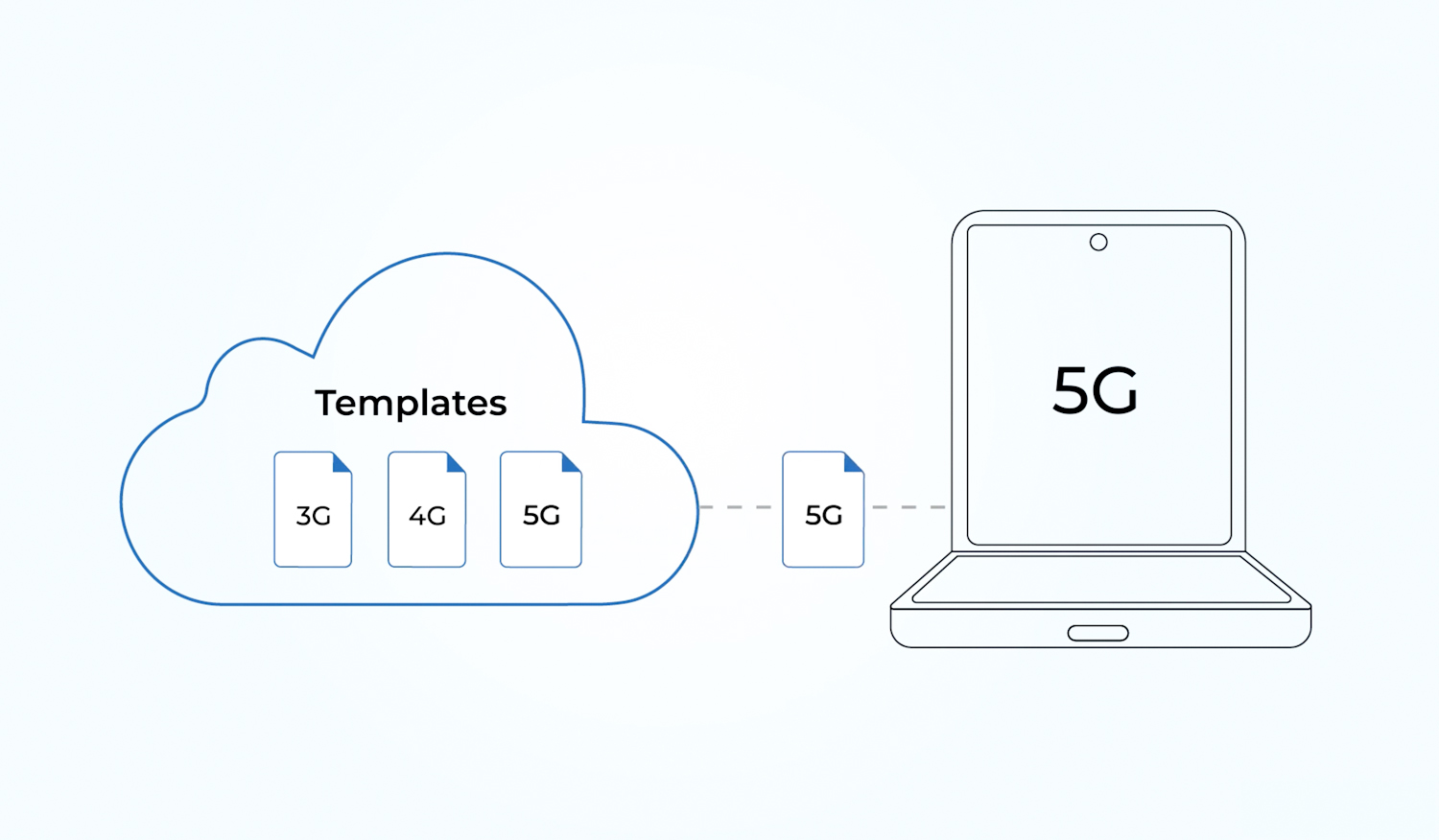
Retain Multi-IMSI settings for re-download & recovery
When a user deletes and re-downloads an eSIM (common in consumer scenario):
- The profile must be re-generated with the latest multi-IMSI mapping
- The orchestration layer must store the applied mapping per profile instance
- Re-download should not revert to old IMSI sets
This ensures consistency across:
- User churn
- Device switching
- Profile resets
- Discovery-based re-provisioning
This creates an automated, self-healing multi-IMSI sync mechanism for eSIM products.

Real-world use cases
Travel eSIM providers
- Select IMSIs dynamically based on destination
- Auto-rotate IMSIs for congested networks
- Offer better roaming bundles
IoT Platforms
- Failover IMSIs for resilience
- Regional compliance (e.g., Brazil, India)
- Reduce SIM swaps in hardware deployments
MVNOs
- Re-package roaming agreements instantly
- Reduce wholesale costs by steering to preferred IMSIs
Global enterprises
- Ensure connectivity for distributed devices
- Switch IMSIs for SLA compliance or local breakout
Details
The landscape of smart cities, utilities, security systems, and device manufacturing is rapidly evolving.